01
Listen
Understand the needs and experiences of each community.
Divine Intervention is developing a community-centered vision designed to bring health connections, wellness support, spiritual care, transportation access, and essential resources together for rural individuals, families, and caregivers.
The goal is not to create another disconnected program. The vision is to build pathways that help people move more easily between the support they need.
 A DEVELOPING MODEL
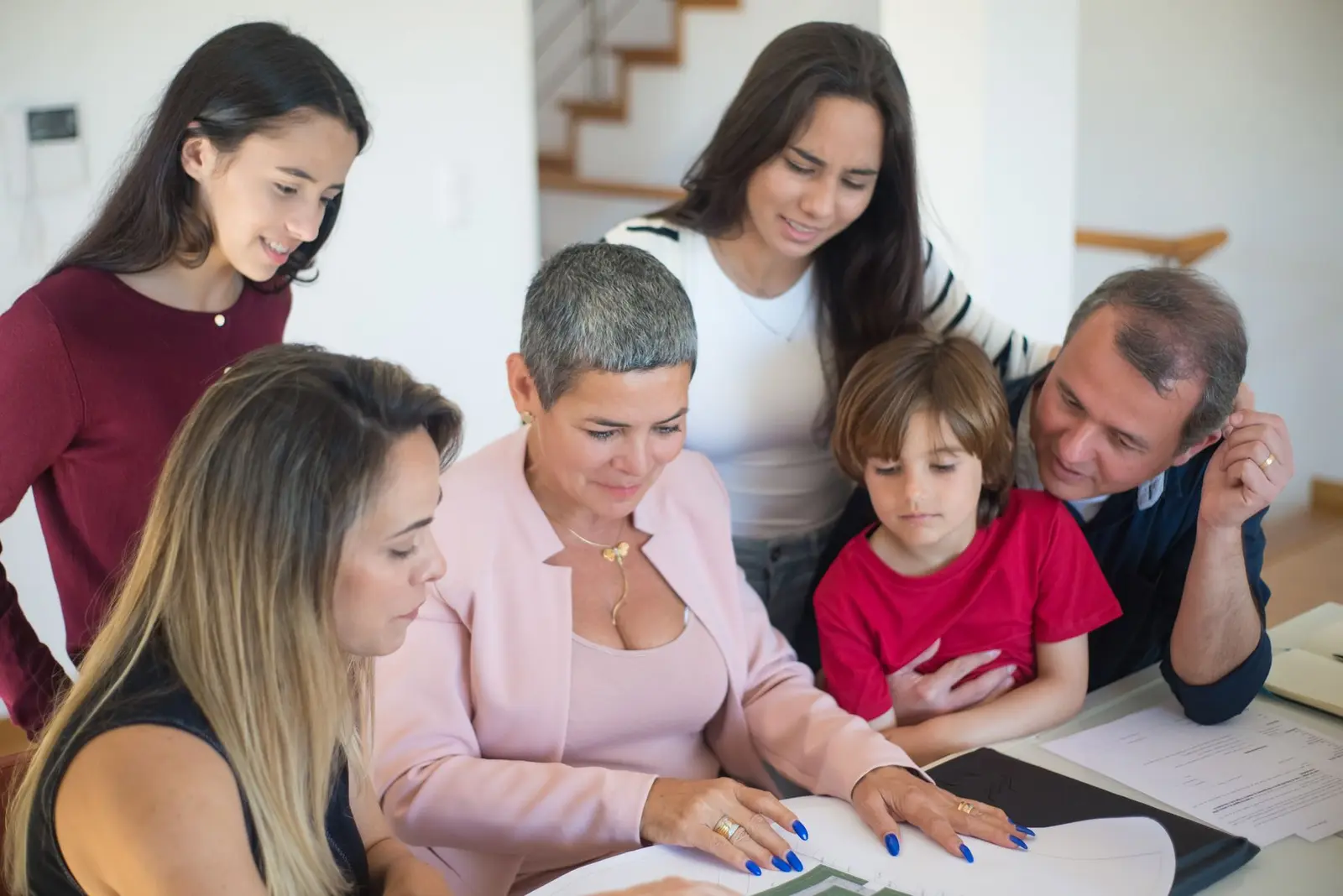
Rural individuals and families may face several barriers at the same time. A person may need health guidance but lack transportation. A caregiver may need rest while also needing help locating appropriate support for a loved one. A family may be searching for food, housing, wellness education, spiritual encouragement, or help understanding available resources.
When those needs are handled by separate and disconnected systems, people can be left carrying the burden of finding and coordinating everything themselves. Divine Intervention’s developing vision is to create more connected pathways around the realities of each person and family.
Understand the needs and experiences of each community.
Build relationships among trusted professionals, organizations, faith communities, and local resources.
Help people understand possible pathways and locate appropriate support.
Develop opportunities that support healthier individuals, caregivers, families, and communities.
Each area addresses a different barrier, but the greatest potential comes from helping them work together. These areas represent Divine Intervention’s proposed model and future direction.
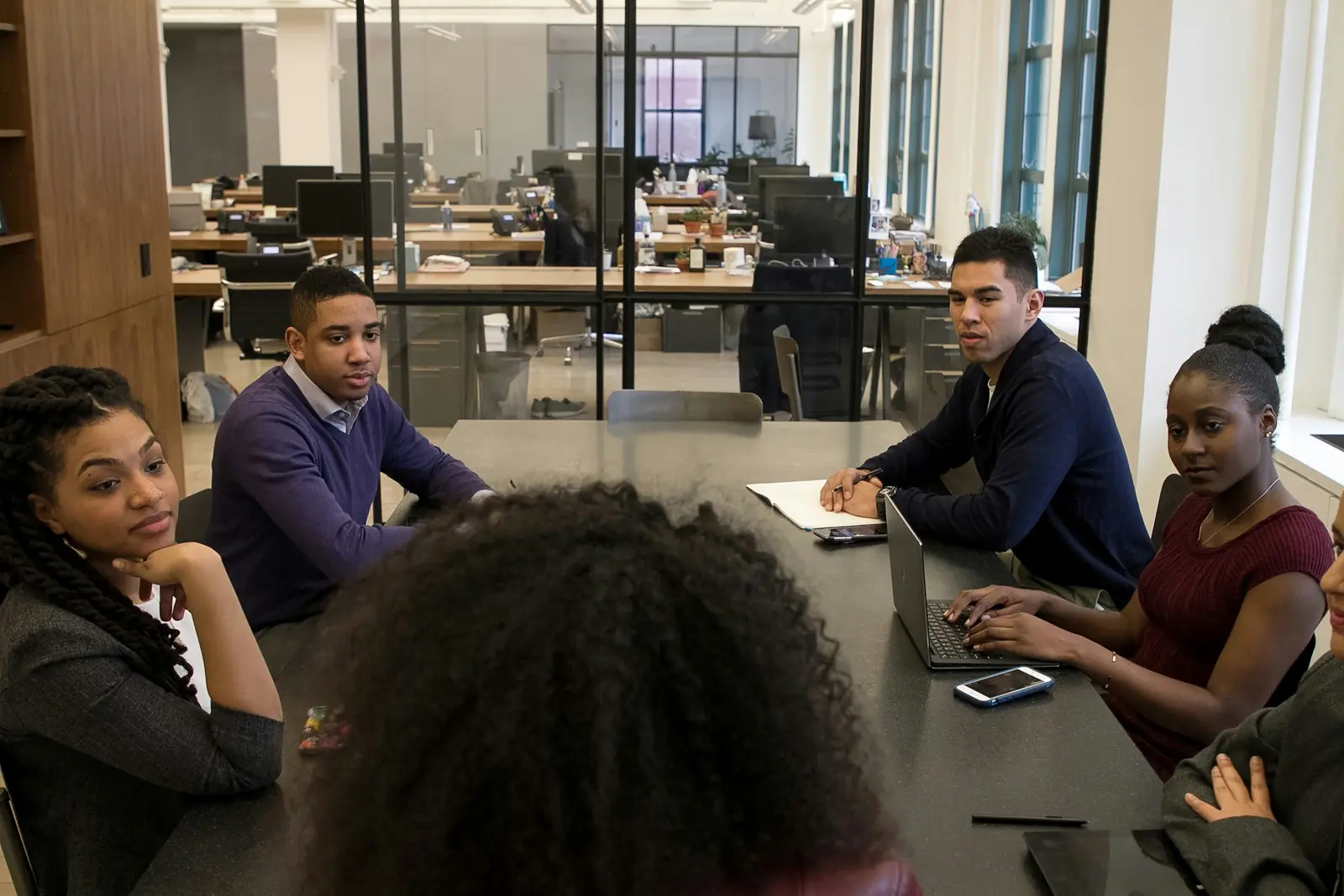
Divine Intervention envisions helping rural individuals and families connect with appropriate health information, qualified professionals, preventive support, and coordinated pathways to care.
Planned areas may include:
Wellness is shaped by everyday choices, responsibilities, environments, and access to practical support. The future Divine Intervention model may include opportunities that help people strengthen their physical, emotional, and family well-being.
Planned areas may include: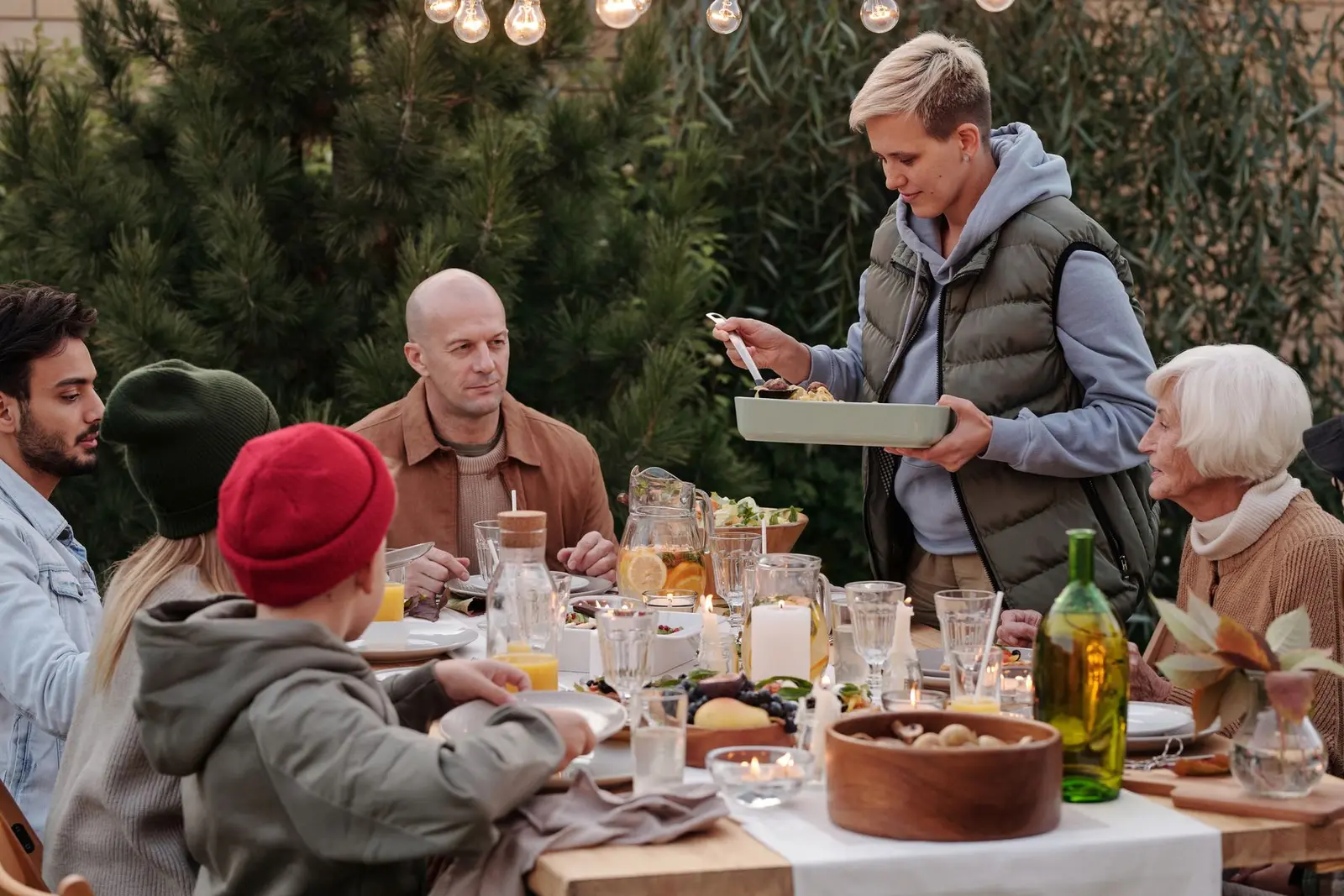
Divine Intervention’s vision recognizes that spiritual and emotional needs can be deeply connected to health, grief, caregiving, resilience, and life transitions. Future spiritual support may provide compassionate space for encouragement, reflection, hope, and healing.
Planned areas may include: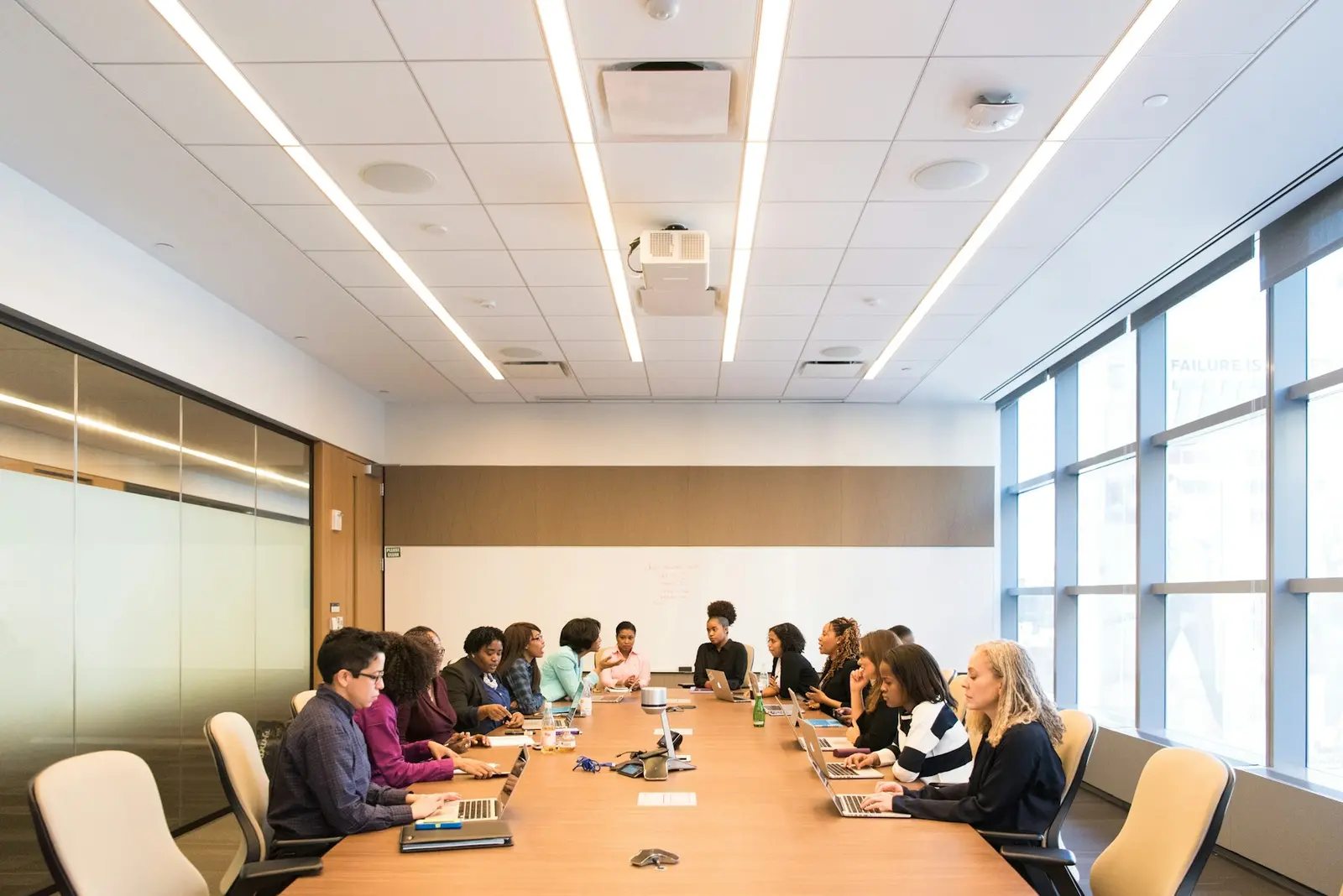
Distance and limited transportation can prevent rural residents from reaching medical appointments, wellness programs, pharmacies, and essential community resources. Transportation access is being considered as a central part of the Divine Intervention vision.
Future possibilities may include:Families may qualify for helpful programs but not know where to begin, whom to contact, or how different resources fit together. The future resource-navigation model is intended to help people identify possible next steps and connect with appropriate organizations.
Planned connections may include:The following scenario illustrates the future vision. It does not describe services that are currently available.
Future pathways designed around distance, access, and the practical realities of rural life.
A vision for connections that support wellness, dignity, independence, and community.
Developing possibilities for guidance, renewal, wellness, and practical support.
Planned connections to education, qualified professionals, and coordinated support.
A future focus on making access part of planning from the beginning.
A model intended to strengthen relationships among people, organizations, and resources.
Gather community input, clarify priorities, strengthen organizational systems, and continue responsible planning.
Current FocusDevelop relationships with professionals, community organizations, faith communities, transportation providers, funders, and public agencies.
In DevelopmentDesign carefully structured pilot initiatives based on readiness, licensing, qualified leadership, community needs, and available funding.
Future StageUse lessons from early initiatives to responsibly strengthen and expand future programs.
Future StageWork toward the long-term vision of coordinated caregiver, family, wellness, and community support.
Long-Term VisionDivine Intervention welcomes conversations with healthcare professionals, churches, community organizations, educational institutions, transportation providers, government agencies, grantmakers, corporate sponsors, and prospective advisors who share a commitment to stronger rural communities.